
Trusted Health Journal looks at health and wellness supplements the way a careful shopper would: what is in them, what the published research says, and what real customers report. Every review explains how we reached our conclusions. See how we review.
Latest review
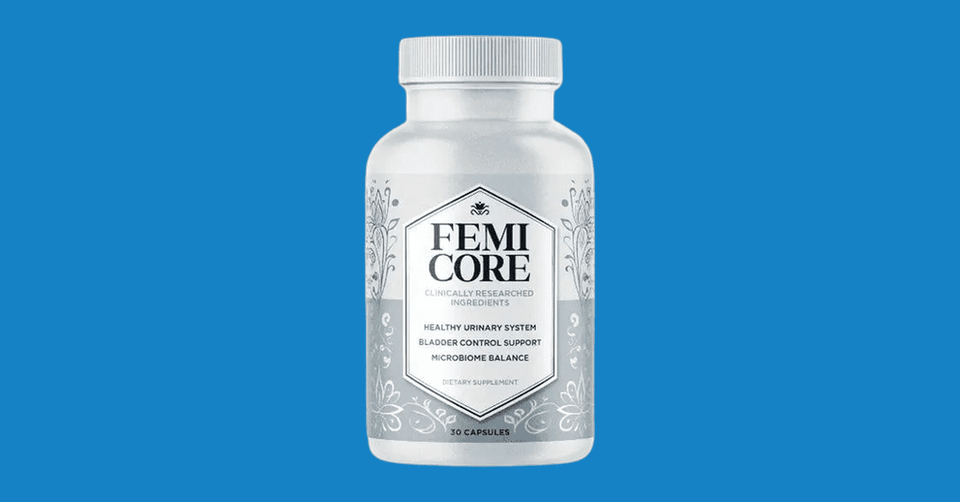
FemiCore Reviews and Complaints 2026: Scam or Legit?
A look at the formula and the available evidence, plus what customers report, for a daily supplement marketed for women’s bladder and urinary health.
Read the full review →Health guides from trusted sources
Before you buy any supplement, it helps to start with neutral, non-commercial information. These government health resources are a good place to begin.
Urinary incontinence
MedlinePlus describes urinary incontinence as “the loss of bladder control, or being unable to control urination.” It ranges from minor leaks to severe, and can improve with proper treatment. Common types include stress and urge incontinence, along with overflow and functional types.

Probiotics: usefulness and safety
The National Center for Complementary and Integrative Health notes that probiotics have shown promise for some conditions, but that “much remains to be learned about whether they’re helpful and safe for various health conditions.” It also flags reported severe infections in premature infants given probiotics, so talk to a health care provider first if that applies to you.
How dietary supplements are regulated
The FDA regulates supplements under the Dietary Supplement Health and Education Act of 1994, which differs from the rules for foods and drugs. Manufacturers are responsible for the safety and labeling of their products before they are sold, and the FDA can act against products that are adulterated or misbranded once they reach the market.